Starting Consultation Session Till Healing: Individual Overview Manual To The EVO ICL Treatment


Short Article Author-Richards Monroe
Because more individuals search for efficient options for sight improvement, the EVO ICL process has emerged as a popular alternative to traditional techniques such as LASIK. Whether you're struggling with issues of nearsightedness, irregular vision, or simply looking for a lasting solution to enhance your vision, the EVO ICL procedure offers distinct benefits worth thinking about. This manual is designed to guide you throughout the entire procedure, from your initial meeting to recovery, aiding you make informed choices about your ocular health.
Grasping what the EVO ICL involves, its benefits, and its comparison to alternative procedures such as laser surgery or photorefractive keratectomy can have all the difference in obtaining the visual clarity you seek. With perspectives from experts and real testimonials, this article will provide you with crucial details on all facet of the procedure, including safety, financial aspects, and healing timelines. In case you are considering vision correction but are unsure if the EVO ICL procedure is the right choice for you, continue reading to find out how this innovative procedure could change your sight.
Comprehending the EVO ICL procedure
Evo ICL, or the EVO ICL, is an novel vision rectification procedure created to tackle various visual errors, including nearsightedness, astigmatism, and along with high degrees of myopia. Unlike standard options, such as laser surgery, EVO ICL involves placing a body-friendly lens located behind the iris to improve vision without changing the transparent front part of the eye. The lens works in conjunction with the eye’s anatomy, providing patients a potentially restorable solution to vision correction.
One of the main benefits of EVO ICL is its capability to deliver long-lasting vision correction for individuals who may not be ideal candidates for LASIK procedure, particularly those with slender corneas or significant refractive errors. The Implantable Collamer Lens is designed to be a reliable and efficacious alternative, yielding a quick recovery time and slight discomfort. https://mgyb.co/s/YjvmD can appreciate enhanced vision and a lessened dependence on spectacles or contacts shortly subsequent to the procedure.
Another notable benefit of the Evo ICL procedure is its low incidence of complications. Unlike alternative vision correction methods, patients often report fewer issues with ocular dryness, making it a more attractive option for those sensitive to this usual post-operative problem. Additionally, with cutting-edge technology and continuous research, the EVO ICL has shown favorable future success, making it a persuasive option for anyone wishing to improve their eyesight permanently.
The EVO ICL Procedure
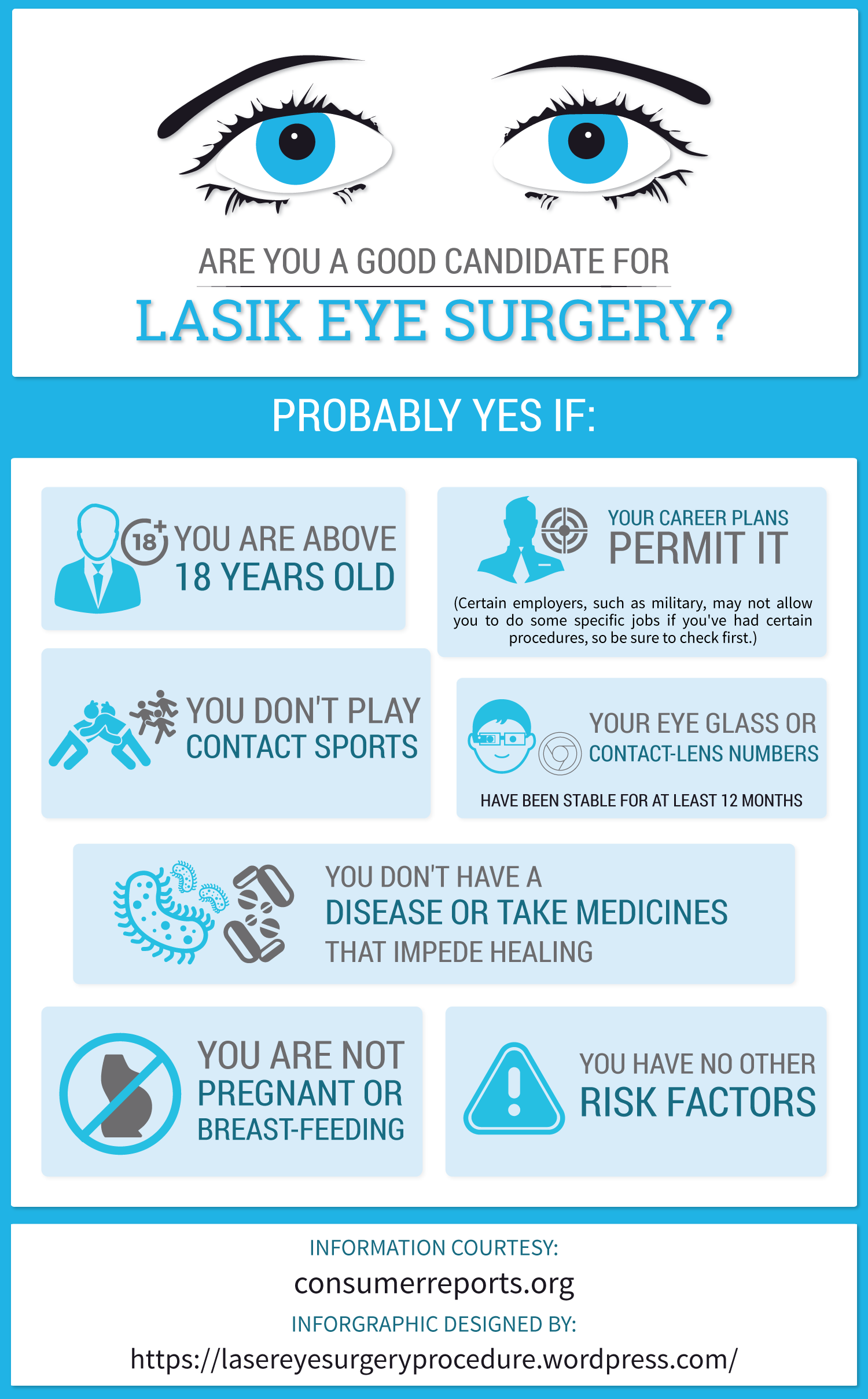
The EVO ICL procedure begins with a thorough consultation, in which your eye health is evaluated to determine if you are a suitable candidate. This involves a comprehensive eye exam and conversations about your vision goals and medical history. Patients with thin corneas or those who experience dry eye may find EVO ICL to be a preferable option compared to other vision correction methods like LASIK. Your surgeon will explain the steps involved in the surgery and address any concerns you may have.
During the procedure, local anesthesia is applied to ensure your comfort. The surgeon makes a small incision in the cornea, allowing the EVO implantable collamer lens to be inserted beneath the iris and in front of the natural lens of the eye. visit the up coming website takes about 15 to 30 minutes for both eyes. You will remain awake but relaxed throughout, with your vision being improved immediately or shortly after the insertion.
Following the procedure, patients are monitored for a brief period before being cleared to go home. It is common to experience some mild discomfort and blurred vision initially, which should improve over a few days. Following your surgeon's post-operative care instructions is crucial for achieving the best possible outcome and ensuring a successful recovery. Regular follow-up appointments will help monitoring the healing process and the results of your new vision correction.
Recovery and Outcomes
The recovery process after ICL surgery is generally easy, with numerous patients reporting improved vision shortly after. It is usual to have unclear vision or fluctuations in clarity during the initial days as the eyes adapt to the implantable contact lens. Patients are generally advised to take a few days off work to allow for rest and healing. Following the post-operative instructions given by the surgeon, such as using prescribed eye drops and steering clear of certain tasks, can facilitate a more rapid and more comfortable healing process.
The majority of patients claim seeing clear improvements in their vision within a brief period, often within a seven days. The final results may take a little longer as the visual system become acclimated. The EVO ICL is designed for durable vision correction, and a lot of patients enjoy superb vision outcomes that can last for a long time. Regular follow-up appointments are crucial to keep track of the healing process and assess any variations in vision, ensuring best possible results.
It's important to note that while EVO ICL delivers numerous benefits, personal results may differ depending on factors such as the level of refractive error and the overall condition of the visual system. Communicating honestly with the surgeon about what to expect can help patients understand what to look forward to regarding their visual results and any likely side effects. Overall, many patients are highly satisfied with their EVO ICL outcomes, often mentioning considerable lifestyle improvements and a renewed freedom from glasses or contact lenses.
Evaluating Vision Correction Options
As assessing vision correction, it is important to examine the multiple options offered. EVO ICL, or the Evo Implantable Collamer Lens, has been gaining favor for its potential to address severe cases of nearsightedness and astigmatism, which makes it an excellent option for those who may not meet the criteria for LASIK due to insufficient corneas or various reasons. In contrast to LASIK, which modifies the corneal surface, the EVO ICL includes implanting a lens behind the pupil, protecting the original structure of the ocular system. This method provides a modifiable option and reduces the chance of xerophthalmia, a typical consequence of various treatments.
LASIK and SMILE are additional popular vision refractive surgeries. Laser-Assisted In Situ Keratomileusis is well-known for its rapid recovery and effectiveness for light to mild optical problems. On the other hand, SMILE, a modern technique, uses a less invasive approach that can provide lower post-surgery discomfort and improved rehabilitation. Nevertheless, each of these techniques Laser-Assisted In Situ Keratomileusis and SMILE require ample thickness of the cornea, which may restrict who can undergo these procedures. This is the point at which EVO ICL becomes favorable, notably for individuals who have high refractive errors or those whose corneas do not satisfy the necessary requirements for other procedures.
Ultimately, the optimal vision correction option is determined by personal eye conditions, daily habits, and subjective preferences. Consulting an knowledgeable surgeon is crucial to assessing the benefits and negatives of all methods. They can assist in identifying whether EVO ICL, Laser-Assisted In Situ Keratomileusis, or another surgery is your optimal choice, ensuring you receive tailored recommendations based on your individual needs.